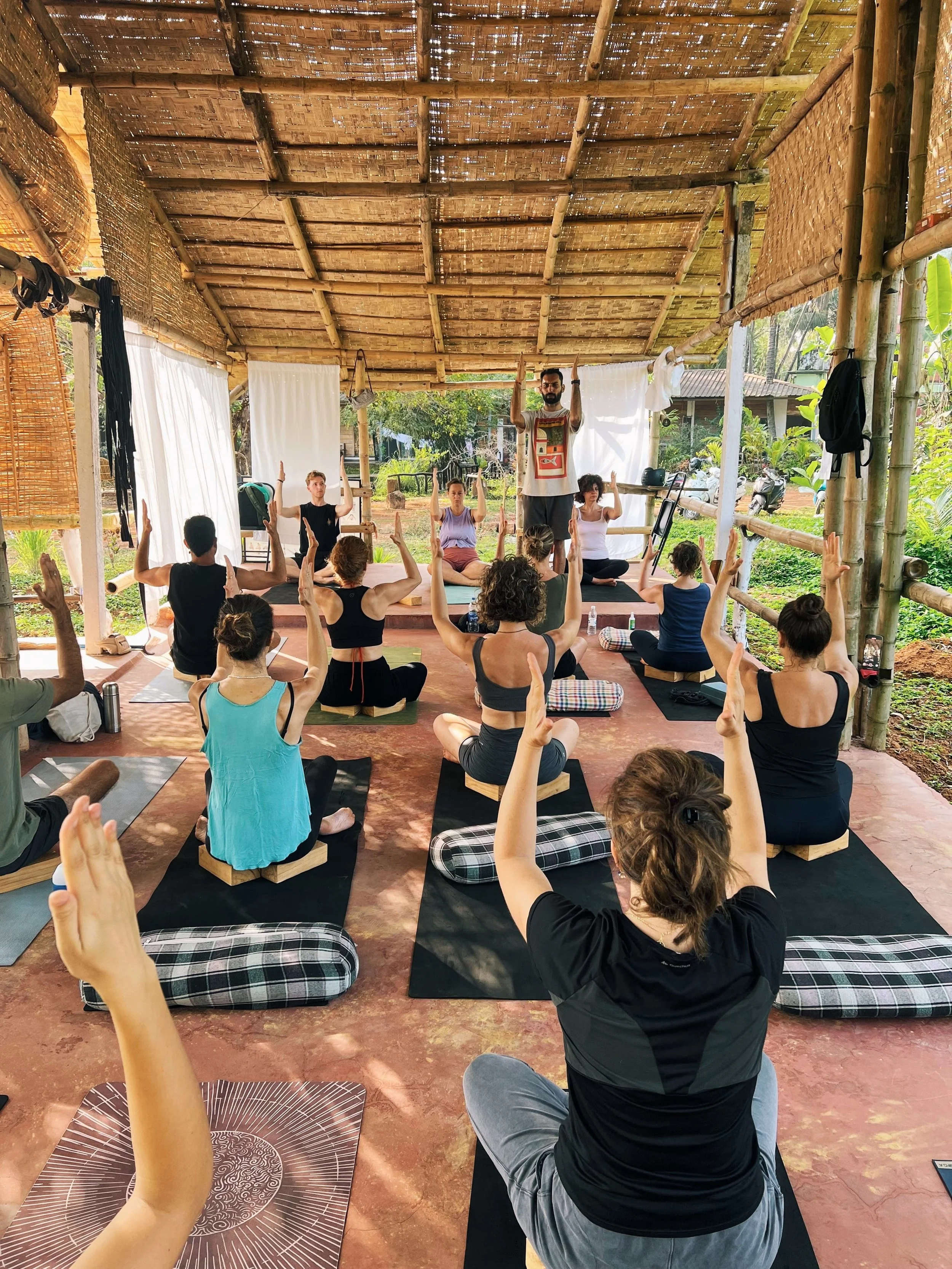

YOGA TEACHER TRAINING IN GOA, INDIA
Hatha yoga teacher training in Palolem, South Goa
Small groups. Clear instruction. Individual attention.
Registered with Yoga Alliance.
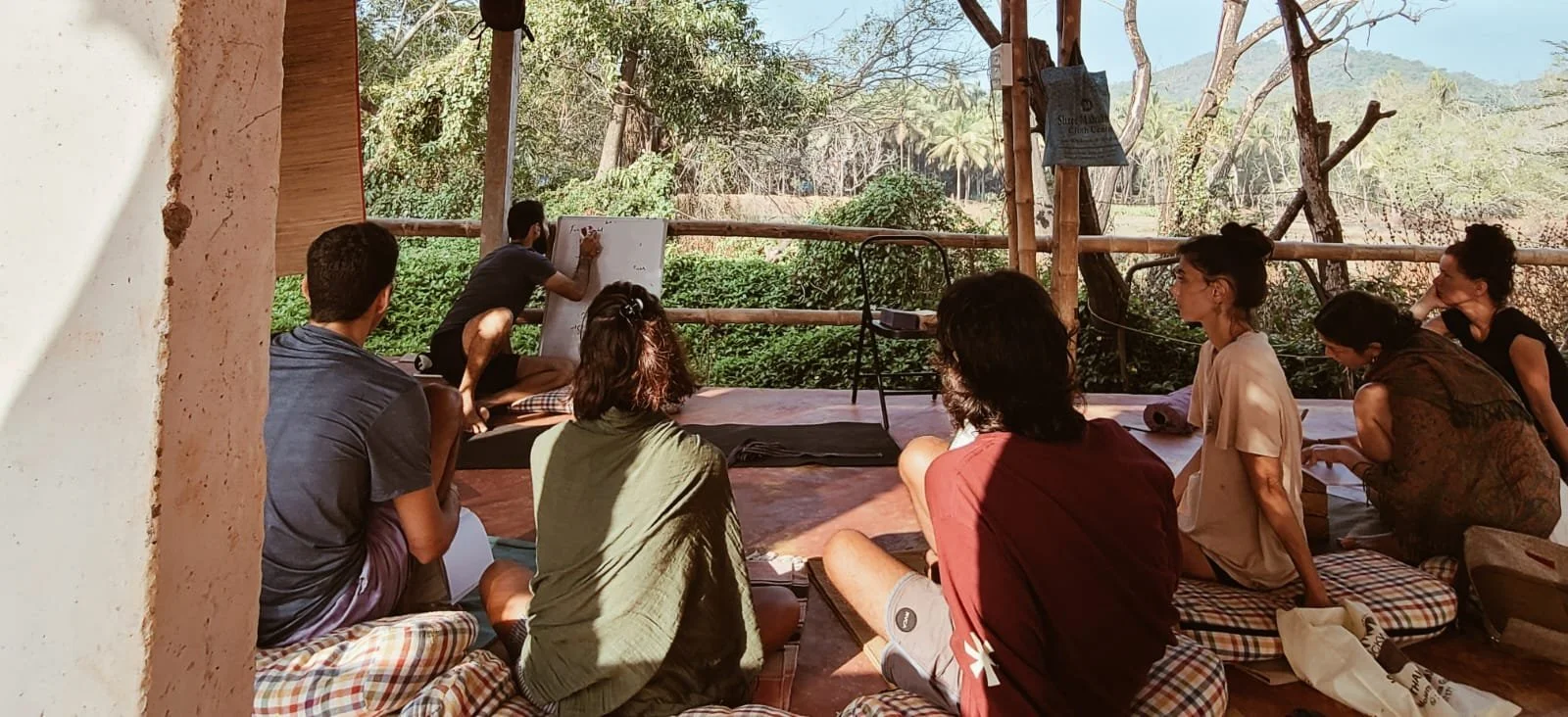
HOW THE TRAINING WORKS
Twenty-three days.
There are no opening ceremonies or closing rituals. The curriculum begins on Day 1.
You learn by working carefully with your own body first. Then you learn how to observe and guide others. That is the basis of teaching.
Yoga Nidra is included during the training. Rest is not separate from learning. It helps the nervous system settle and the mind stay clear.
WHAT YOU WILL LEARN
You will study:
Asana in Hatha yoga, with attention to alignment, sequencing, and intelligent use of props
Teaching skills including observation, clear communication, basic adjustments, and class structure
Anatomy for safe and informed teaching
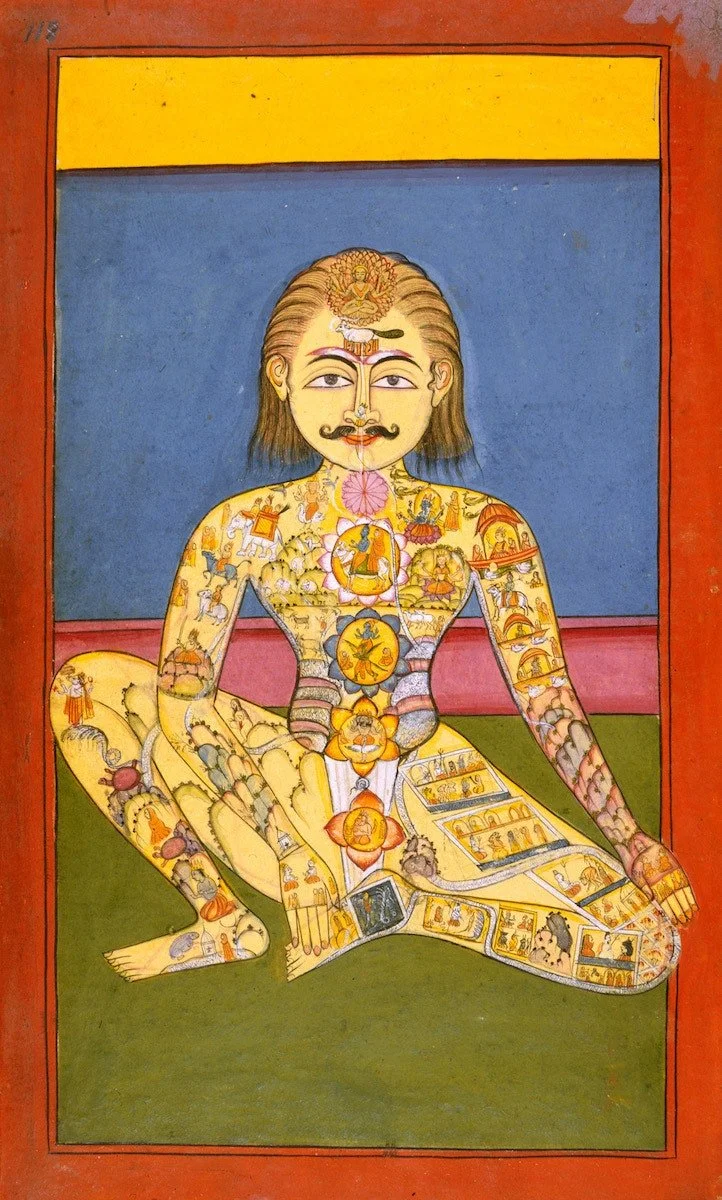
Yoga philosophy, including the Yoga Sutras, taught in simple language and applied to practice
Pranayama and the relationship between breath and the body
Sanskrit terminology to support clarity in naming and understanding asana
WHO LEADS THE TRAINING
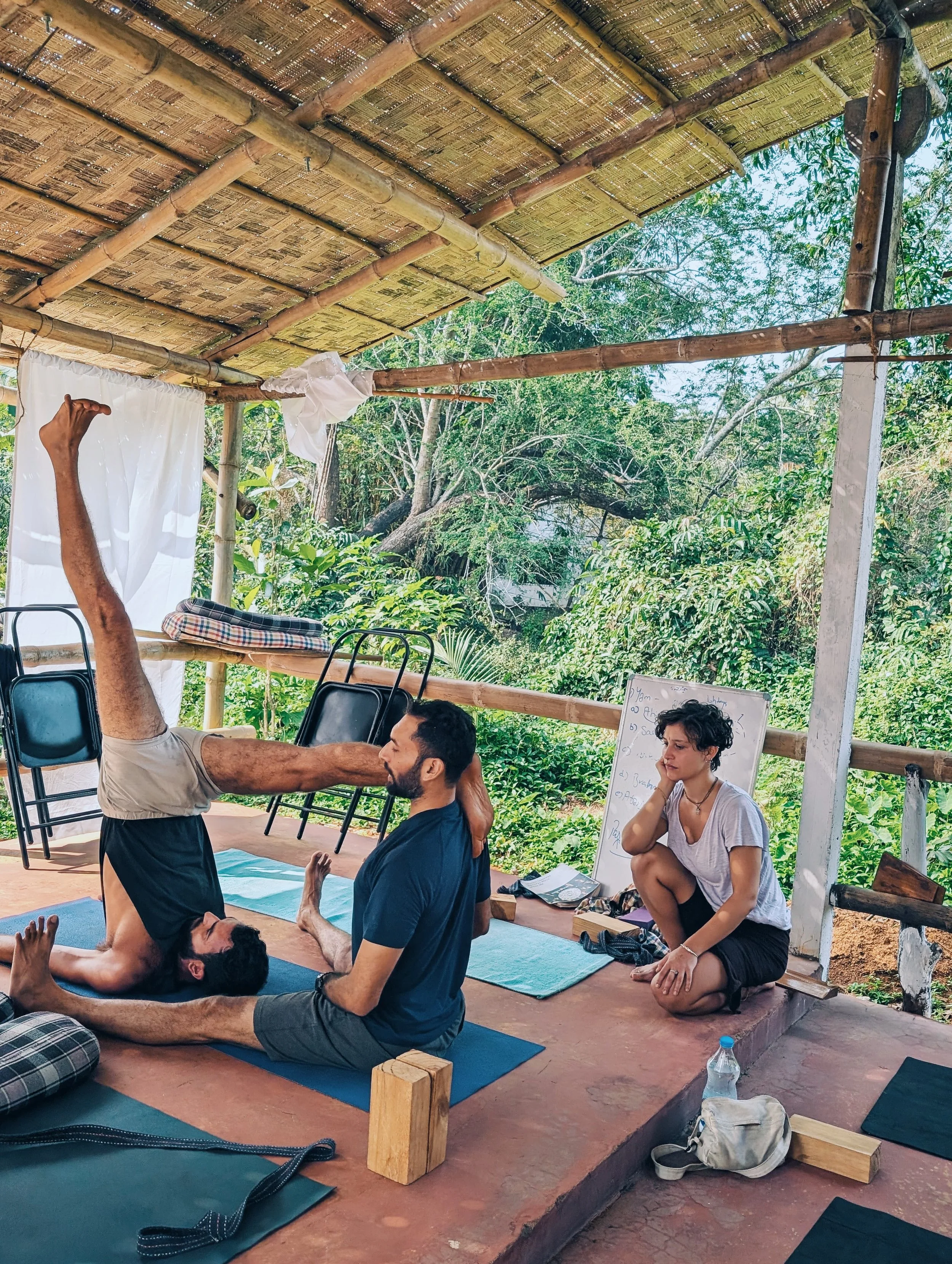
The training is led by Akshey, who has been teaching yoga for over 16 years.
Akshey is strongly influenced by the Iyengar method. He is not a certified Iyengar teacher. He studies and practices this approach because he values precision, safety, and the way philosophy is embedded directly into physical practice.
What he shares with students comes from his own ongoing study and lived experience of these principles. He teaches with respect for the tradition and its lineage.
WHY THIS APPROACH MATTERS
In the Iyengar tradition, asana is not separate from yoga philosophy. It is where philosophy is practiced.
Holding a posture gives you time to observe how you use effort, how you respond to limitation and what changes when you work with greater precision.
Read: What Yoga Philosophy has to do with Yoga Practice →
WHAT AKSHEY BRINGS TO THE TRAINING
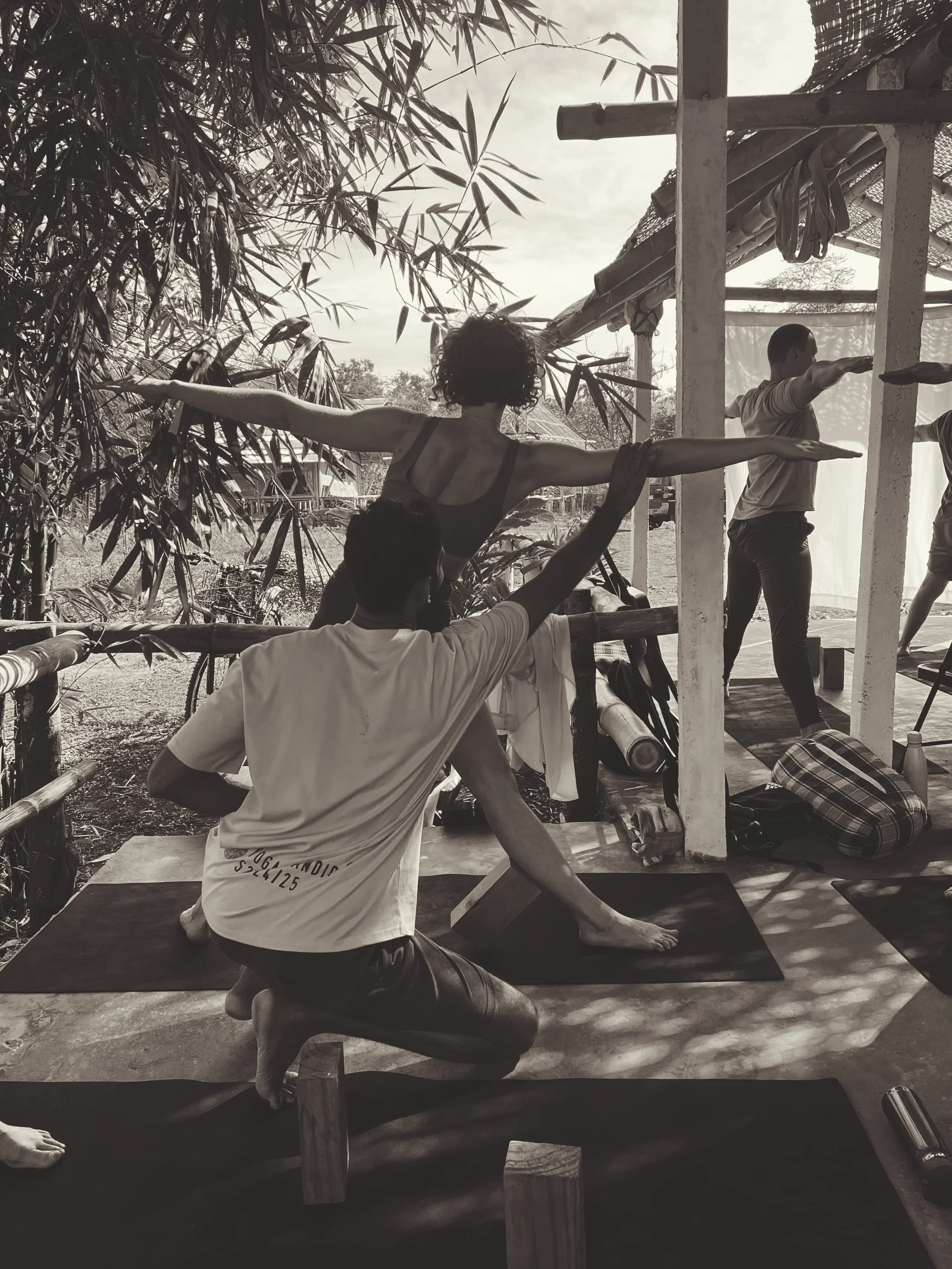
Clear observation of how the body moves and where strain appears
Practical guidance on alignment, props, and safe progression
The ability to help students see, feel, and adjust themselves and others with confidence
DATES + FEES
Upcoming Courses
December 2-25, 2026 (full)
January 2-25, 2027
February 4-27, 2027
March 2-25, 2027
Fees
200-hour TTC: ₹60,000 INR
100-hour TTC: ₹32,000 INR
Students who have completed our 200-hour training can repeat it for ₹48,000 INR.

COURSE FORMAT
We offer two paths: a 200-hour training and a 100-hour modular option.
The 200-hour training qualifies you for Yoga Alliance registration.
The 100-hour option follows a modular format. You receive a certificate of completion and may return later to complete a second 100-hour module to reach 200 hours.
Both options are non-residential. You practice with us during the day and arrange your own accommodation nearby. This keeps costs lower and gives you space to rest and process the work.
We are happy to suggest areas to stay in Palolem and nearby villages.
LOCATION
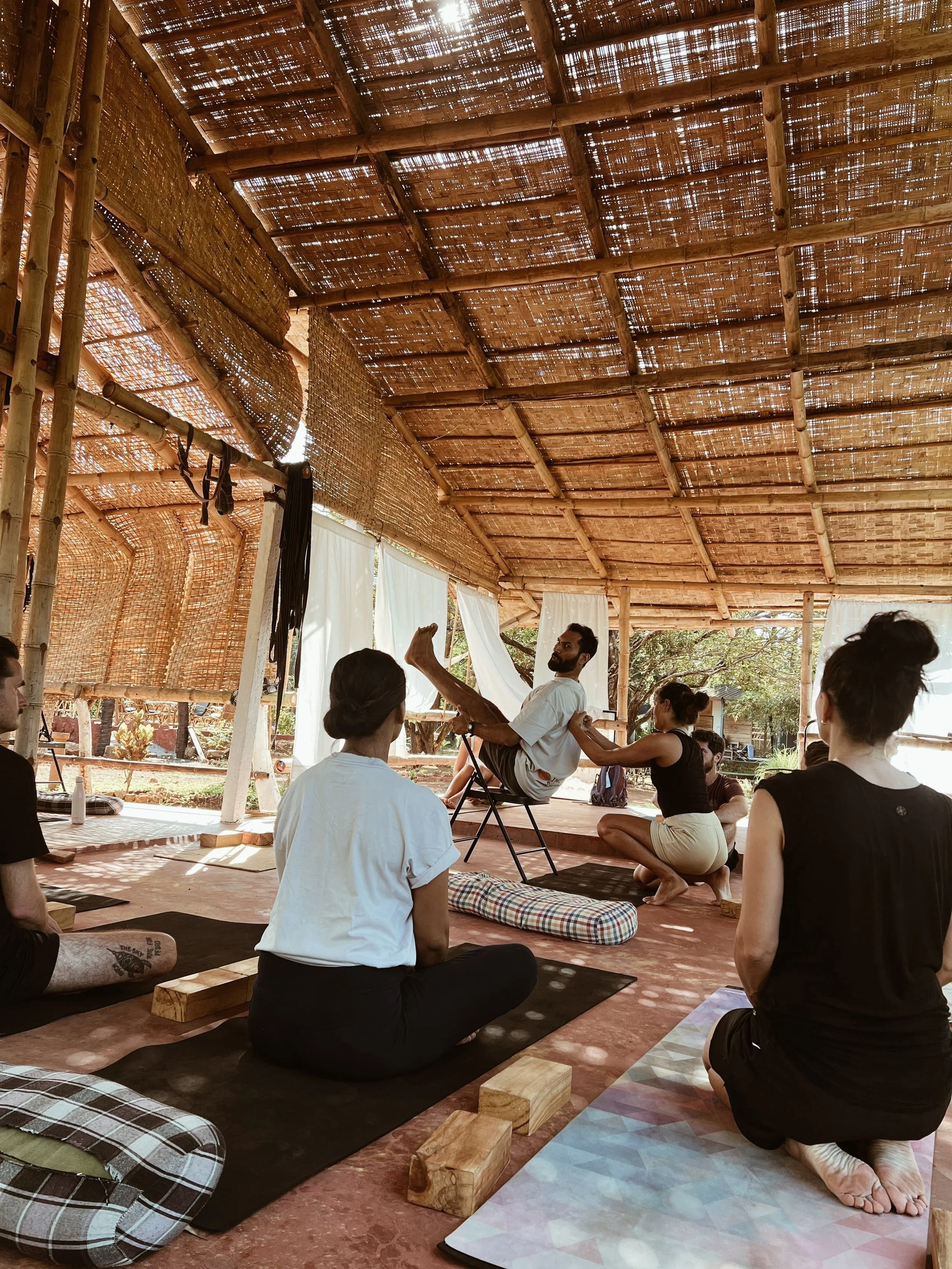
The training is held at our shala in Palolem, South Goa, India. It is a quiet space on a rooftop, amongst the palms and away from busy beach areas.
We also offer regular drop-in classes, which many practitioners use to build or continue their practice before and after the training.
BEFORE YOU APPLY
Our program is registered with Yoga Alliance and is designed for practitioners who meet the following requirements:
English language: The training is conducted in English, and participants should be comfortable following instruction, discussion, and study material in English
Familiarity with our method: You must have attended drop-in classes with us (in-person or online) before enrolling. This gives you a sense of how we work, and gives us a chance to see your practice.
Small group format: Each training is limited to a maximum of 15 students to ensure clarity, safety, and individual attention.
Physical and mental fitness: The training is physically and mentally demanding. Practitioners should be able to participate in daily practice without requiring extensive individual rehabilitation support. Yoga understanding develops through experience over time. This training requires patience, openness, and a willingness to learn step by step.
***
A certificate does not replace experience. Teaching grows from what you have felt, worked with, and understood in your own body over time.
Before joining, it is worth asking yourself: are you joining mainly to receive a certificate or to deepen your practice?
This training serves the second.
PRACTITIONER REFLECTIONS
These reflections are from practitioners who have completed the training:
♥︎♥︎♥︎♥︎♥︎
“As an Iyengar student of ten years, the daily drop-ins were beyond my expectations. The classes were always fun, challenging and enriching. I felt better and stronger every day. In fact, I was so pleased with the teaching that I decided to do the TTC at Yoga Mandir. And good thing I did, as it was one of my best yoga experiences so far…“